

I have been in the South this week and thinking a lot about wine in this part of the country. I am here because my son is in Space Camp in Huntsville, Alabama at the US Space and Rocket Center. He is super lucky to have had the privilege of participating in this amazing program and I to be down here with him. It’s my first time in Alabama and while they have a large Northern Winery trail, I spent my time visiting a friend in Atlanta and viewing museums, and Civil Rights landmarks. It’s an intense part of US history and I am so glad to have been able to witness and visit the National Center for Civil and Human Rights Museum, the Atlanta History Center and the Swan House, and the Birmingham Civil Rights Museum not to mention the Huntsville Museum of Art. The 16th Street Baptist Church which was the site of terrible bombing on September 15th, 1963 wasn’t open but I got to learn more about the lives of the four little girls and two boys who lost their lives that terrible day. Its fun that I visited on the same day that our only Black President inaugurated his amazing Presidential Center. Together with the Knicks parade, it’s been quite the day.
I’ve been in large hotel chains where I’ve had plenty of IPAs while watching the World Cup but none of these hotels have local wines on their wine lists. They barely have imported wines either, mostly California wines from large brands dominate.
I did learn though that one grape is very important in this part of the country. It’s called Muscadine and its part of a family of grapes. Here’s a great primer about Muscadines which apparently are used as table grape as well in cooking and its uniquely Southern. Here is another piece which talks a lot about this grape. These grapes are not part of the genus Vitis Vinifera like most of the grapes that we know and that are made into wine but comes from the genus Vitis Rotundifolia.
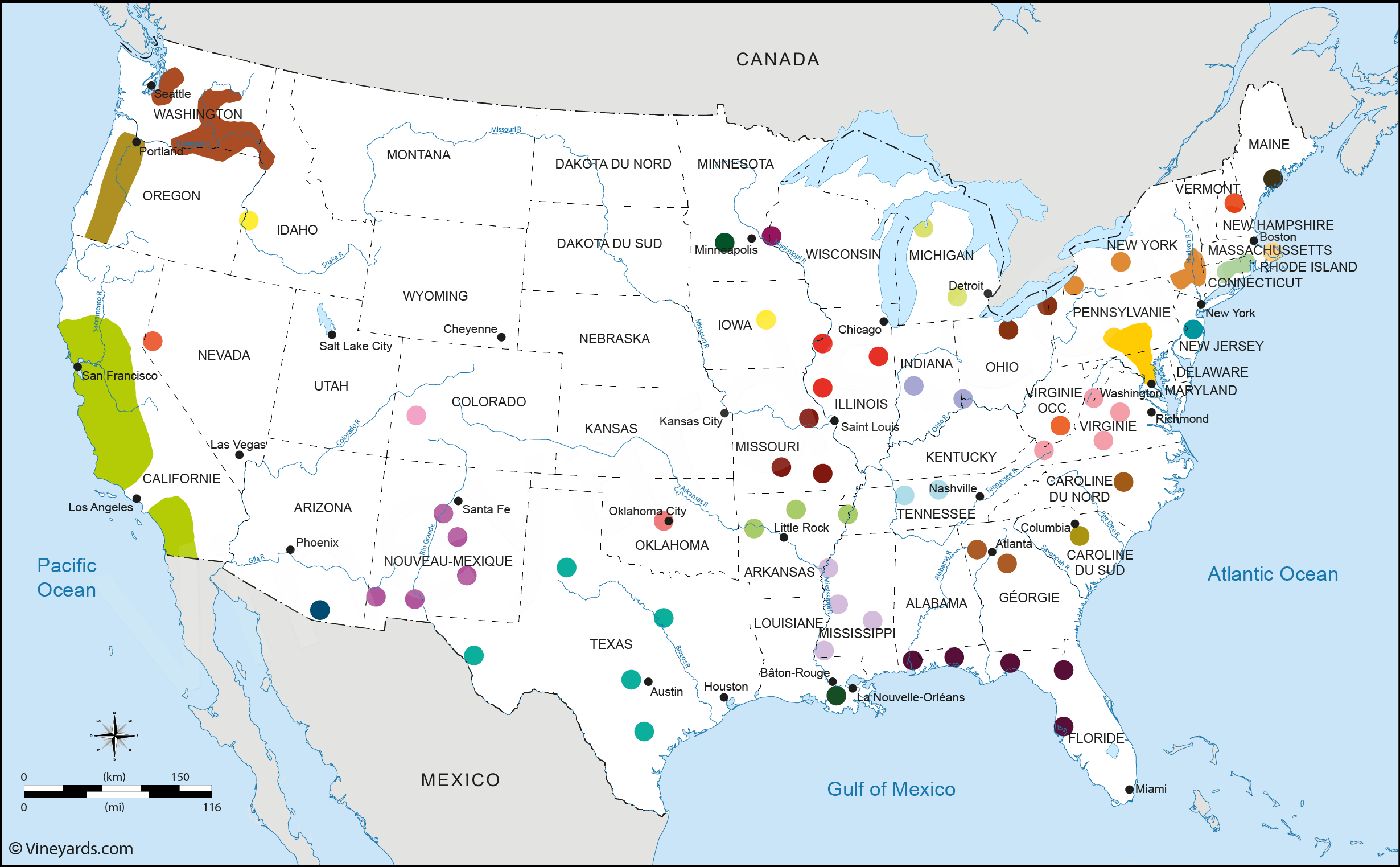
In Mississippi, the wineries tend to grow Muscadine. While wineries are not that numerous, wine festivals are not uncommon. Mississippi’s climate is humid and very hot which makes growing many grapes difficult. That’s where Muscadine comes in. This grape really is the signature one of this part of the country. In addition to the climate being challenging, Mississippi also has numerous dry counties where alcohol cannot be served. There is an AVA called the Mississippi Delta which was created in 1984. It encompasses part of three states: Mississippi, Louisiana and Tennessee. The soils there are quite flat and there is alot of alluvial soils from the Mississippi River. There are about five wineries that I found that have websites but few talk about their wines. Many of these vineyards grow grapes that people can pick and bring home themselves.
Alabama on the other hand has a number of wineries that you can visit both in the northern part of the state and near the city of Birmingham. They have tasting rooms and some serve as tourism locations. I tried to go to one today but the rain got in my way. Just like in the neighboring state, these wineries grow Muscadine as well as hybrid grapes Norton, Chambourcin grape. Just like in Mississippi, a large number of Alabama’s countries are dry. This complicates the sale of wines across the state. That said, wineries in Alabama do open their doors to tourists. I was on my way to Ozan winery when a terrible storm came in and changed my plans. If my son comes back to the Space Center in the future, the winery trail of Northern Alabama is on my list.
I also visited Georgia on this trip but again not for the wineries, that will have to be part of another excursion. The offering in Georgia is much more extensive than it is in Alabama or Mississippi. Numerous wineries in the Peach State grow Vitis Vinifera grapes such as Cabernet Sauvignon and other Bordeaux varieties. They too grow a fair amount of Muscadines which is the darling of the South apparently. Wolf Mountain Vineyards is one of those that are working heavily with these Bordeaux varieties. In Georgia, wines are tourist destinations for weekend jaunts and they are all over the State. Georgia has two AVAs, the Dahlonega Plateau AVA where Wolf Mountain Vinyards is located, and the Upper Hiwassee Highlands AVA. Alabama and Mississippi used to be part of Georgia until 1802 which is why I have grouped them together. They tend to be known as the Deep South.
Louisiana can also be grouped with these states because of its location, climate, and its focus on Muscadine. They also grow hybrids such as Norton. They don’t grow grapes from Vitis Vinifera grapes such as Cabernet but they buy those grapes from California. One winery which looks quite developed is the Landry Vineyard.
These four states that share culture, history, and traditions are a case in point of a grape variety that finds wide spread within a region – Muscadine.

