

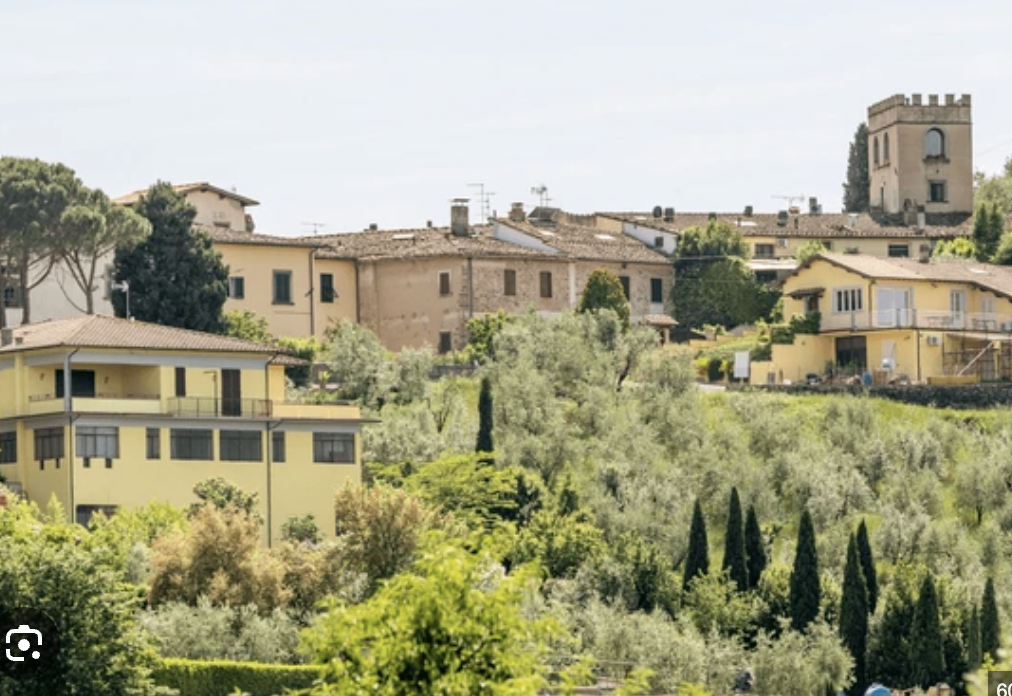
Carmignano. I just like to say that word. It sounds sexy to me and sensuous. Kind of like the wine in my opinion. It’s hard to pronounce and I remember when I first discovered it 20 years ago I was proud to be able to say it correctly. The wines are made close to the city of Prato, more widely-known for its textile industry.The difficulty in pronouncing the name and locating the area on a map haven’t helped make Carmignano a household name but those in the know drive northwest of Florence to seek out the wineries that have been making Carmignano for centuries, yes centuries not decades.
In fact, wine was grown in this area since Roman times. It was in 1716, that Cosimo III de’ Medici declared, in an edict, that there were four areas of Tuscany producing the highest quality wine. Carmignano was one of these areas along with three other sites in Tuscany: Chianti, Pomino and the upper Valdarno.
The wine is often a blend of Sangiovese and Cabernet Sauvignon/Cabernet Franc. This isn’t a modern choice but has always been the case. In fact, there is evidence to support the idea that Cabernet has been growing in the region for 500 years. The wine must be 50% Sangiovese while between 10-20% of Cabernet Sauvignon/Cabernet Franc is permitted. Canaiolo Nero can make up another 0-20% of the wine. White grapes (Trebbiano and Malvasia) can also make up another small percentage of the wine but the trend is to use up to 10% Merlot or Syrah.
Whenever I find an international grape variety growing in Italy for such an extended period of time, I always ask producers whether they could consider it an indigenous variety. I asked the same question yesterday of the winemaker, Fabrizio Pratesi, of Pratesi. Today he is the President of the Consorzio di Tutela dei Vini Carmignano.
He said that international varieties had been growing in the region for over 150 years and that it could be considered an indigenous grape of sorts. I’ve had the same discussion with the Frescobaldi family about their wines made in Pomino, another area that Cosimo III had designated as a special wine growing area in Tuscany.
While one can argue this point back and forth, what I do think is interesting is that international varieties were in these areas long before the “Super-Tuscans” came along in the 1970s. In fact, the Super-Tuscans had to use the vino da tavola designation and weren’t given a doc. Carmignano may be the same blend as many Super-Tuscans but it has long been regulated by the DOC rules and then DOCG ones.
The area of Carmignano has a very particular micro-climate which makes these wines a bit different from many of their Tuscan brothers and sisters. The climate is influenced by the Apennines which run along the Tuscany – Emilia-Romagna border. The mountains protect the vineyards from the elements while also creating considerable thermal temperature excursions between the day and the night, allowing the grapes to rest. Often, the grapes are harvested a few weeks earlier in this area than in other parts of Tuscany.
The blends have to be at least 50% sangiovese. While famous in the Middle Ages, Carmignano went through a period in which it lost its brand identity and became known as Chianti Montalbano in the 1930s. Eventually thanks to the efforts of certain historical producers, the denomination of “Carmignano” was made into a DOC in 1975, although the harvests back through 1969 were also included retroactively.The wine was made a DOCG in 1990, retroactive to the 1988 harvest. I discovered this wine during that period of time. The DOC version spends two years aging, at least one in oak while to be called a riserva, it must spend three years aging, at least two in oak. A younger version of Carmignano with less aging is also sold called Barco Reale.
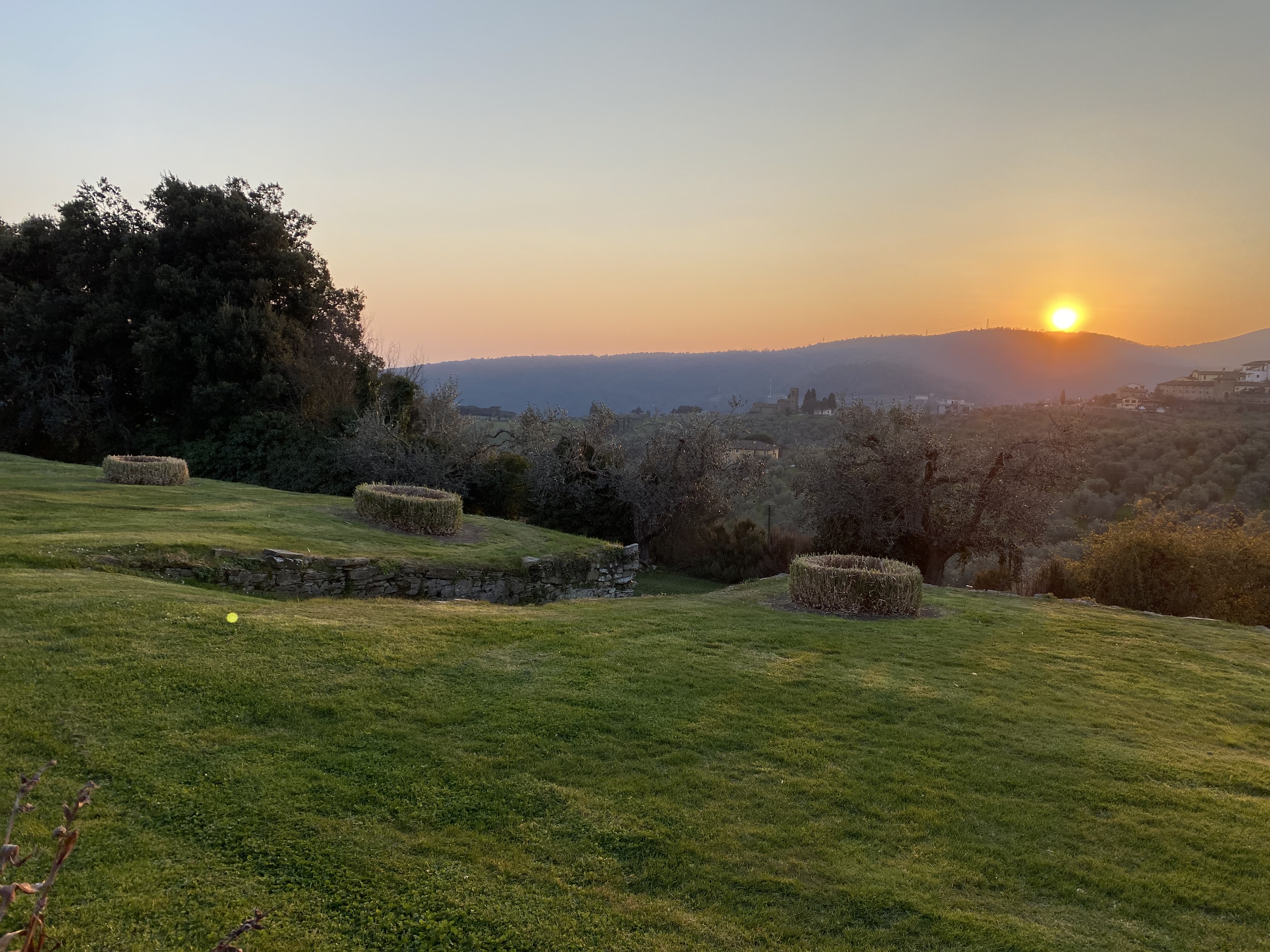
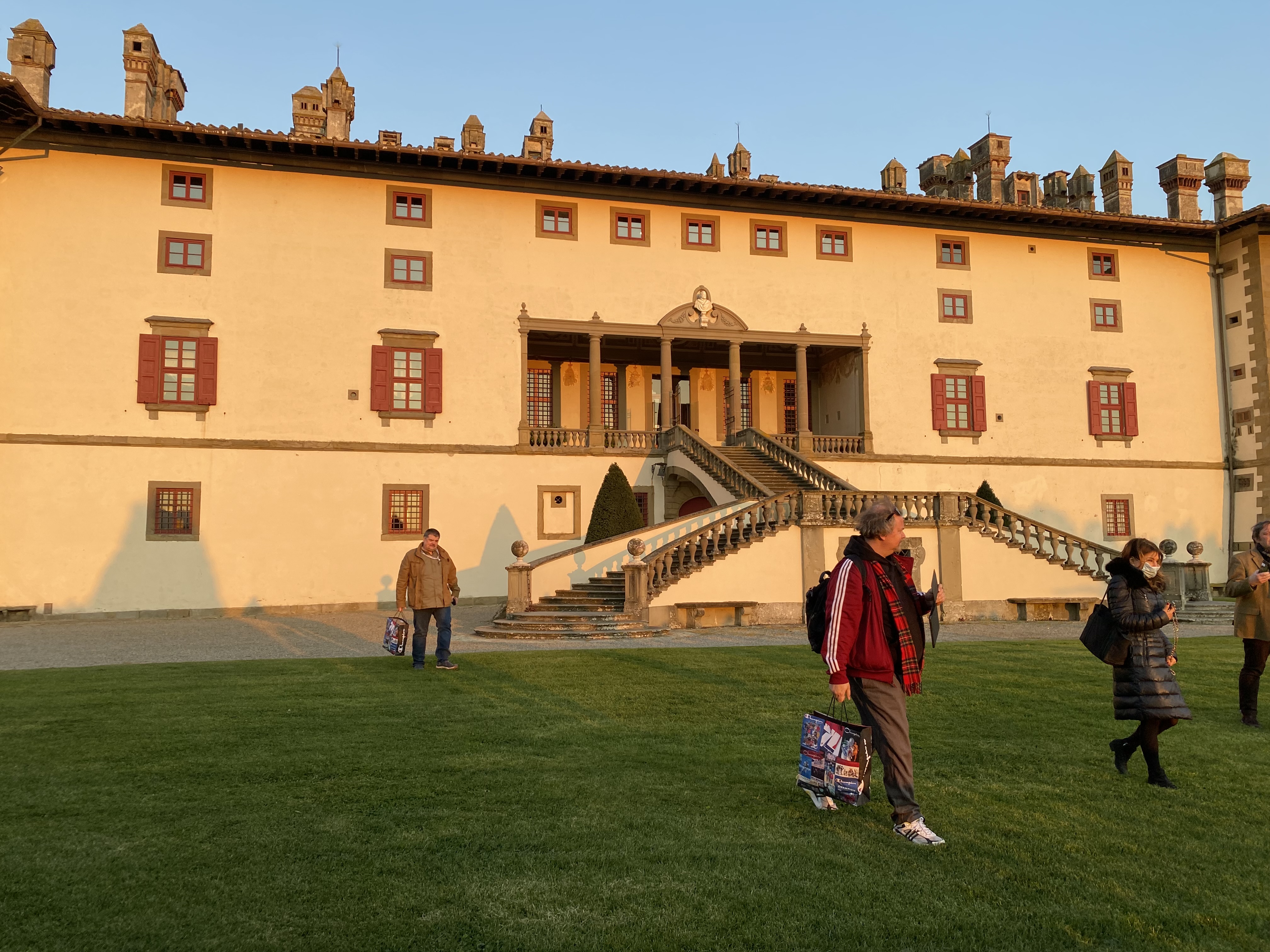
With all this history, you would think it would be easier to find this wine on wine lists in the States. This has not been my experience and I’m not sure why. The winery most people are familiar with is Capezzana. I was lucky enough to attend an amazing dinner they hosted during the Anteprime Toscana this past Spring and in 2022 I attended an amazing event at Artimino. In the next few days, I am going to write about these exquisite experience but for today, just wanted to write some background about Carmignano.
 avvinare.com
Susannah:
I really enjoyed how you crafted such a fascinating and history-filled post about this under-appreciated wine. And the question of indigenous or not after 150 years is something I’d love to hear the old winemakers debate..
Ciao,
Dave…