

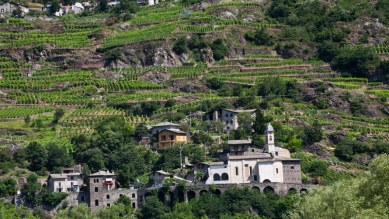

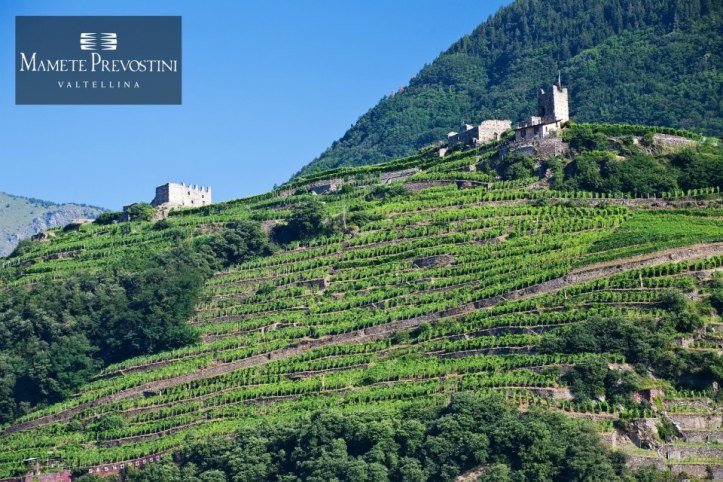
I first visited Valtellina with someone whose family had a home there in 1998. We went to Sondrio, drove around and visited wineries. The views were incredible and the terracing spectacular. I wasn’t yet working in the wine business but I was studying wine in Milan at a local wine school. This wasn’t primarily a wine trip but we did visit a number of wineries and it was among the first wine trips I have ever been on. At the time, we didn’t visit Mamete Prevostini’s winery but it was the first I had heard of it. Fast forward 19 years and I decide to do a presentation on wines from Lombardy for the Society of Wine Educators conference. The first winery that came to mind was Mamete Prevostini for a few years. First because the wines are wonderful, second they are available in the US, third he was the President of the Consorzio, and fourth, I had just tasted one of the wines at the Gambero Rosso tasting and knew that I wanted that wine for my presentation, his Sfursat.
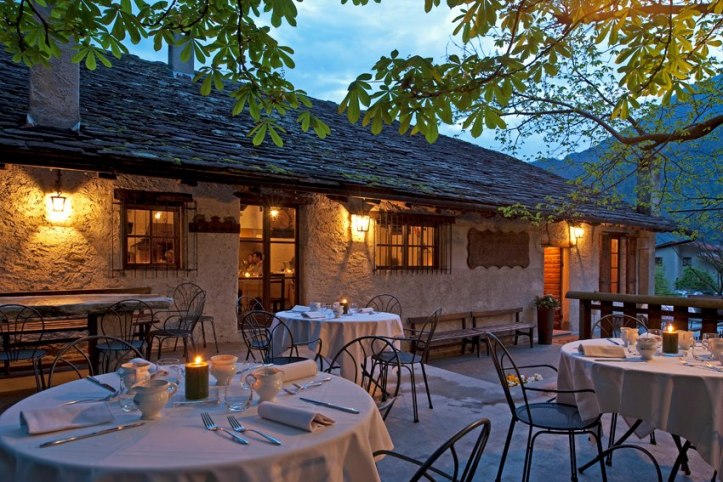
The winery was started some 70 years ago by Mamete’s grandfather. The family’s first labor of love was their restaurant called Crotascwhere his grandfather served the wines he made from local grapes. The wine business began after the restaurant.
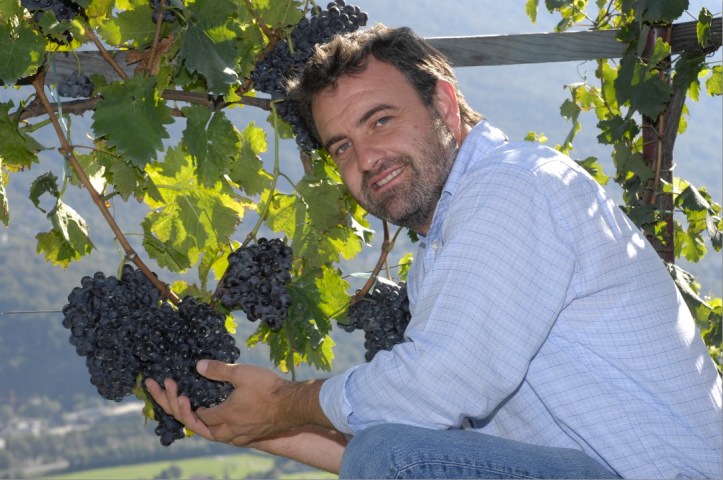
Mamete has been running it since 1988. He is a firm believe in the concept of terroir and strives to bring both tradition and innovation to the wines. They look to make wines that are all about elegance, finesse and power. I think they have absolutely reached their desired goals.
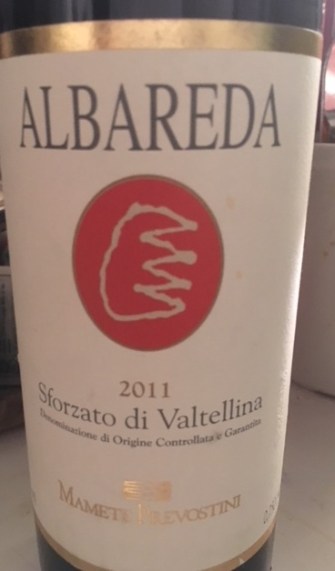
The wine that I brought to my presentation was his Sfursàt, Albareda Sforzato di Valtellina D.O.C.G. He makes two of them. The other is called Corte di Cama Sforzato di Valtellina D.O.C.G. The name Sfursàt comes from their local dialect and from the practice of drying the grapes. You will also see it called Sforzato. Many will of course compare it to Amarone but I think it is less sweet and much easier to pair with many kinds of foods.

Generally speaking, the grapes are picked and laid on drying mats in cool, dry rooms, called fruttai. They are partially dried for 110 days. By January or February the grapes have lost 35-40% of their weight and the juice is now very concentrated. They are then fermented on the skins. The minimum alcohol is 14%. They can age for at least 5-7 years. They are legally allowed to use 90% Nebbiolo and 10% of other Lombard grapes.
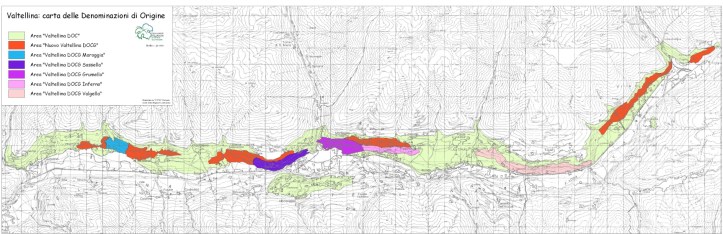
Prevostini however makes his Albareda Sforzato from the best parcels in Valtellina Superiore D.O.C.G., subzones Sassella e Grumello. He uses 100% Nebbiolo appassito. The soils are 80% Sandy and 20% limestone but not calcareous rock, granite and clay. The vineyards are 350-550 meters above sea level. The wine is hand picked and put in small chests and dries in fruttai until end of January.
It is then pressed and fermented in stainless steel. It spends 21 days macerating with the skins. It then spends 20 months in French oak and 10 months in the bottle before release. The yields for this wine are extremely low, 18 hl/ha. The acidity is 5.8 g/l and the alcohol 15.5%. Retailing for around $40, I think it’s a steal for both Amarone lovers and Barolo fans.
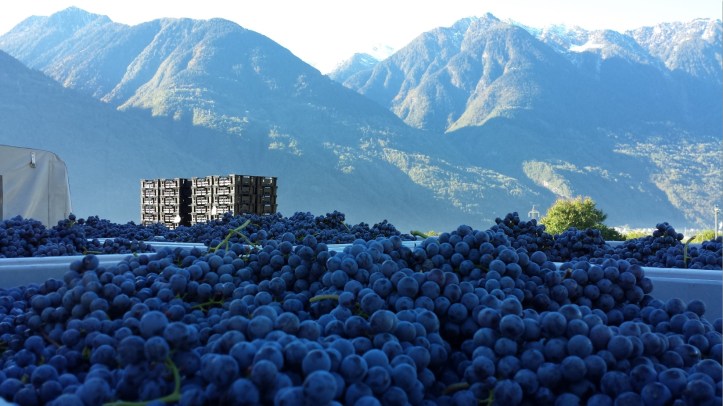
Nebbiolo from the Alps as they like to call it has all the wonderful characteristics of wines from mountain viticulture including great acidity and a certain cool climate elegance that I think is a common thread throughout mountain wines in general and his wines in particular. I found the Albareda vibrant with loads of layered and nuanced flavors of black fruit, violet and cedar as well as sweet spice and pepper. It was superb and I only wish I had a steak in the other room cooking or lamb roasting or something that would live up to a wine like this. Gorgonzola could work as well and Polenta.
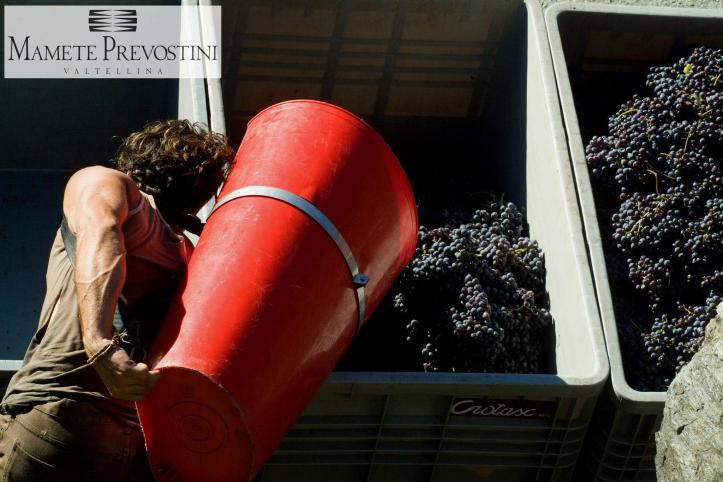
While I served the Sfursat, I would be remiss not to mention the numerous other wines for which Mamete Prevostini is famous including those made specifically from sub-zones Sassella, Grumello and Inferno as well as his Riserva D.O.C.G., San Lorenzo Superiore D.O.C.G., Sommarovina Valtellina Superiore D.O.C.G. – Sassella and the young red wines such as Botonero I.G.T. Rosso Terrazze Retiche di Sondrio and Santa Rita D.O.C. Rosso di Valtellina, both made with Nebbiolo as well as “Monrose” I.G.T. Terrazze Retiche di Sondrio – Rosato made with Nebbiolo vinified as a white grape. He makes a couple of white wines as well “Opera” I.G.T. Bianco Terrazze Retiche di Sondrio with Chardonnay and Sauvignon, and “Vertemate” I.G.T. Bianco Terrazze Retiche di Sondrio – Passito made with Gewurztraminer and Riesling appassiti. I’ve never tried the whites and I look forward to doing so on my next opportunity. It would also be very exciting but incredibly hard work to harvest in this part of Italy.
 avvinare.com